Our Community Impact
At PESAP, we’re dedicated to transforming communities through focused projects. Our initiatives in education, environmental stewardship, and community development are designed to create lasting, positive change. We work hand-in-hand with local pastoralist communities to address their unique challenges and build a brighter future for all.
Our Projects
Transforming Communities
1. Smart Adaptation to Climate Change Programme
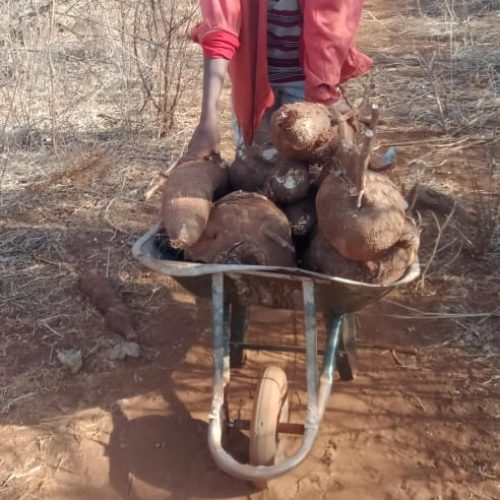
PESAP successfully implemented the Smart Adaptation to Climate Change Programme to strengthen the resilience of pastoralist communities in Marsabit County. The initiative focused on promoting climate-smart practices such as water harvesting, drought-resistant crops, and sustainable livestock management. Through practical trainings, awareness sessions, and community-led demonstrations, pastoralists learned to manage natural resources more efficiently and cope with recurring droughts. The project empowered over 300 households to adopt adaptive farming and grazing techniques, reducing vulnerability to climate shocks. As a result, food security improved, environmental degradation declined, and the community became more self-reliant. This programme laid a strong foundation for climate-smart living, turning challenges into opportunities for growth and sustainability.
2. The Foundational Literacy and Numeracy Assessment (FLANA) Programme
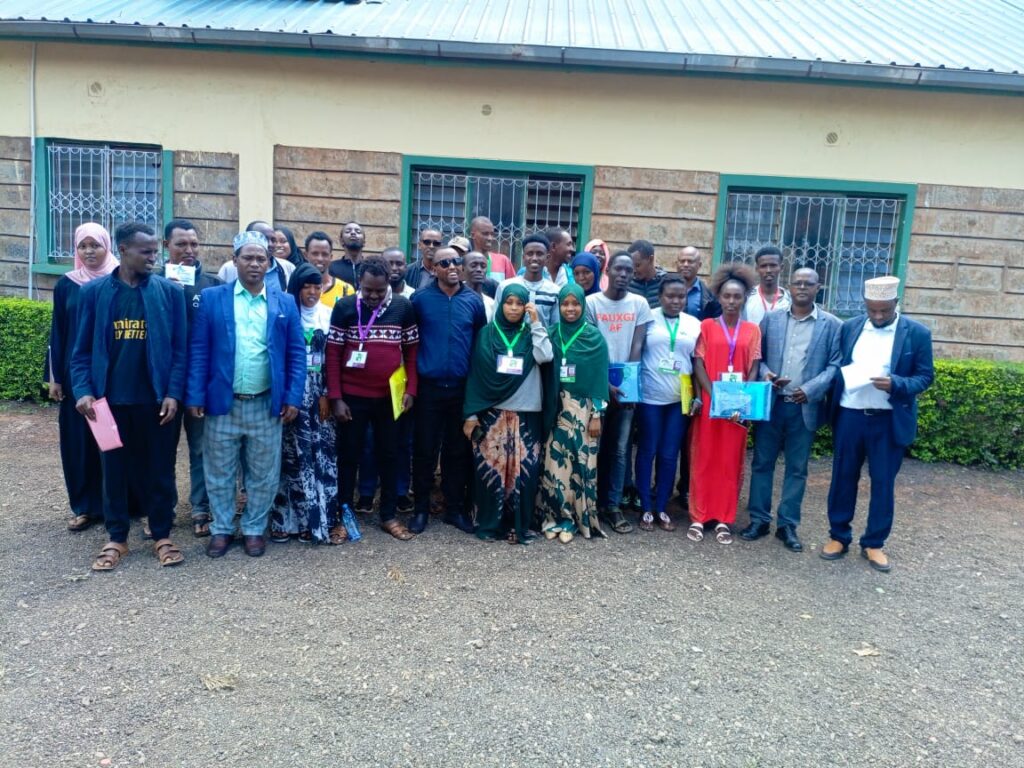
The Foundational Literacy and Numeracy Assessment (FLANA) is an educational initiative led by Usawa Agenda and implemented in collaboration with the Pastoralist Education Smart Adaptation Programme (PESAP) at the grassroots level. The assessment was conducted across all 47 counties in Kenya, aiming to evaluate learners’ achievement levels in foundational literacy and numeracy.
The primary goal of the assessment is to provide policymakers with reliable data on the state of education in the country, particularly shedding light on disparities affecting marginalized and hard-to-reach regions such as Marsabit County. Through this collaboration, PESAP played a key role in facilitating community engagement, data collection, and local mobilization within pastoralist areas.
By contributing to the FLANA initiative, PESAP strengthened its commitment to enhancing education outcomes among pastoralist communities, supporting evidence-based decision-making, and advocating for equitable access to quality education for all children across Kenya.
3. Women Empowerment Programme
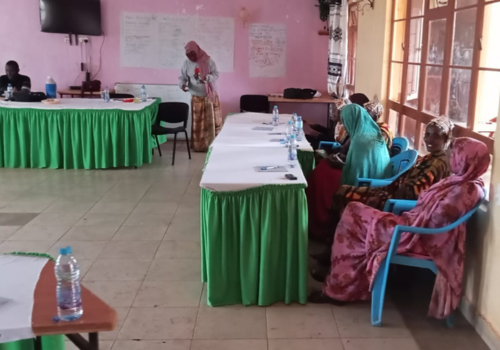
Led by PESAP’s founder, Madam Ann, the Women Empowerment Programme focused on unlocking the potential of women within pastoralist communities. The project offered training on financial literacy, entrepreneurship, leadership, and environmental stewardship. Women were supported to start small businesses in beadwork, poultry, and eco-friendly farming, boosting household income and food security. The programme also fostered the formation of women’s self-help groups, enhancing social cohesion and collective growth. Over 200 women became economically active, confident, and involved in decision-making processes at community level. The initiative not only elevated women’s livelihoods but also strengthened their voices in promoting education, peace, and environmental protection within their families and society at large.
4. Tree Planting and Environmental Conservation Initiative
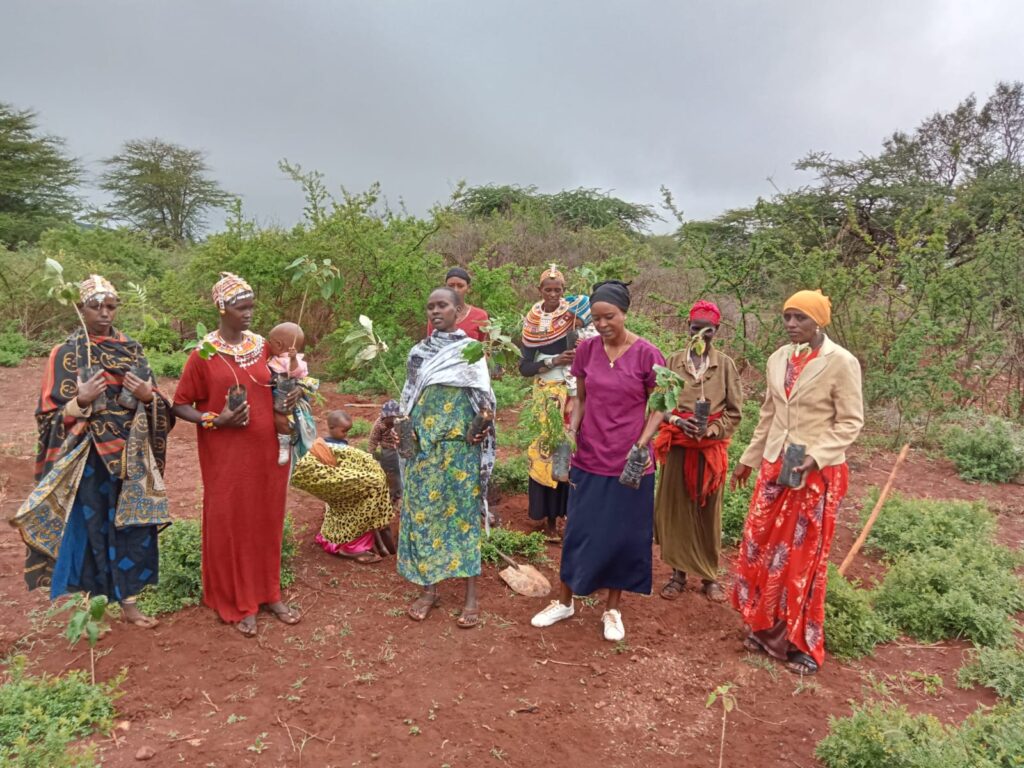
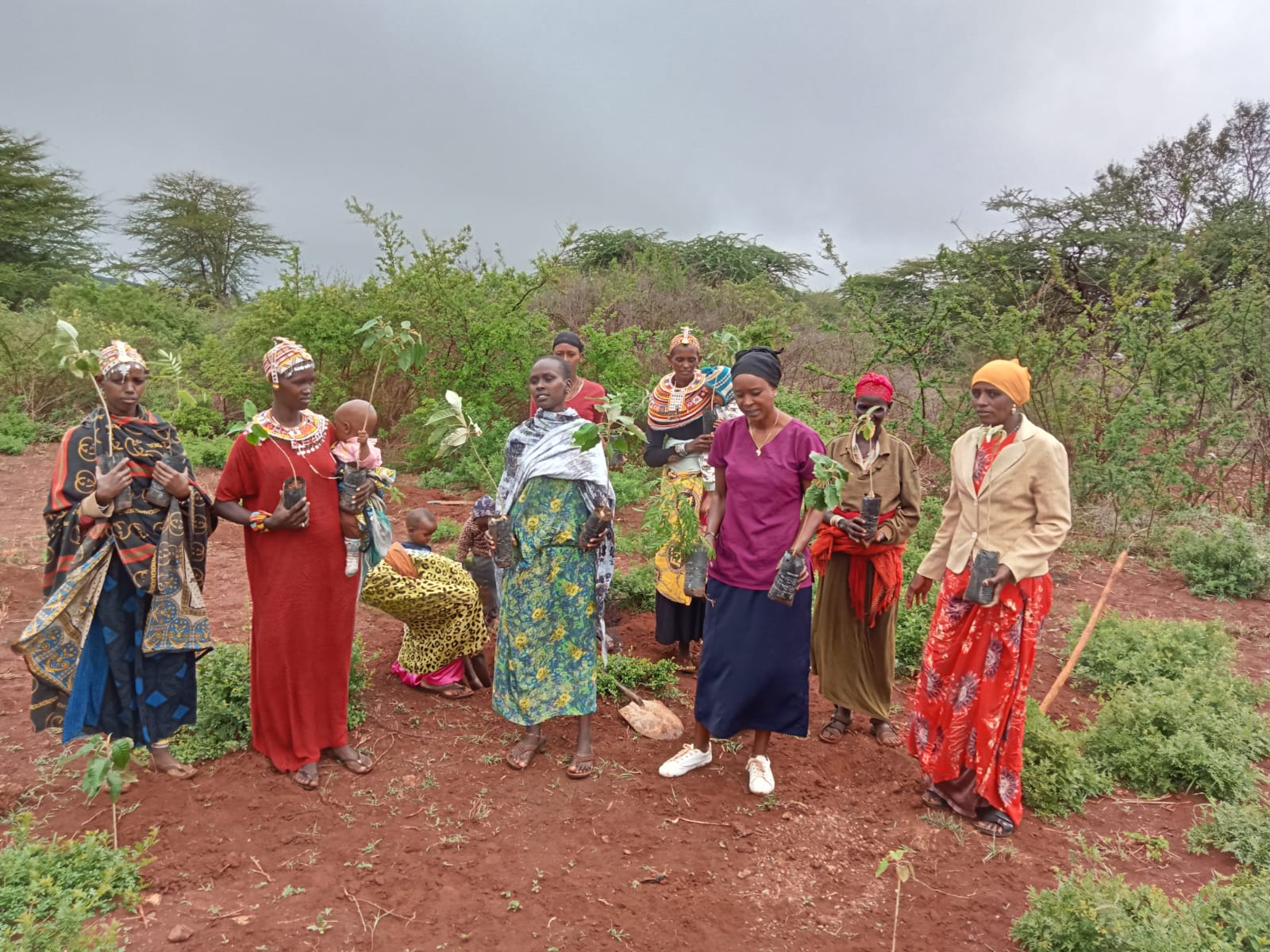
Through the leadership of Madam Ann, PESAP carried out large-scale tree planting exercises aimed at combating desertification and restoring degraded lands in Marsabit County. Thousands of drought-resistant trees were planted around schools, churches, and community centers, involving youth groups, children, and local leaders. The initiative emphasized hands-on training in proper planting, watering, and tree care, ensuring sustainability. Beyond greening the environment, the project increased awareness of the critical link between trees, rainfall, and food security. Today, areas once bare and dusty are showing signs of revival with improved microclimates and biodiversity. The Tree Planting Initiative stands as a symbol of PESAP’s commitment to sustainable adaptation and environmental stewardship across pastoralist communities.
5. Environmental Mitigation Programme
PESAP’s Environmental Mitigation Programme focused on promoting responsible environmental management among pastoralist communities. The project engaged local residents through workshops, community clean-ups, and environmental awareness campaigns. Topics covered included waste management, soil conservation, water protection, and sustainable land use. Participants learned practical ways to reduce deforestation and adopt eco-friendly practices in daily life. The initiative also partnered with schools to integrate environmental education into learning activities, creating a new generation of environmentally conscious youth. As a result, communities adopted better waste disposal habits, protected water sources, and restored degraded lands. The programme successfully cultivated a culture of accountability, cooperation, and shared responsibility in conserving the fragile ASAL ecosystem for future generations.